Buyer Beware: 6 Red Flags That Could Spell Trouble for Homebuyers
Picture this: you’ve found a seemingly perfect home in just the right neighborhood. It has every single one of your must-haves, plenty of space, and even all of the features you want. But on the tour, your agent spots a few big problems, like a crack in the foundation or signs of water damage. Should you walk away from what seems like your dream house?
Unless you’re looking to tackle a fixer-upper, you may want to proceed with caution if you run into any of these red flags during a showing.
Watch Out for These 6 Red Flags During a Showing
As you tour homes, it’s important to remember that a seller may not always disclose (or know) the whole truth about their house. If you ever have any questions about a home’s condition, make sure to ask your agent. They’ll often be able to spot problems that you may not see yourself, and they can also help you decide whether or not a certain issue is a dealbreaker.Â
And even though a property may appear well-maintained, there could be some lingering imperfections that aren’t visible to an untrained eye—here are a few examples.
Foundation issues
A faulty foundation is one of the biggest and costliest problems you can encounter in a home. If you spot any foundation cracks (both outside or inside) bigger than one third of an inch, it could mean a property has major structural defects.
Other signs of potential foundation issues include sticking doors, gaps around window frames, or sagging floors.
Outdated electric and plumbing systems
A leaky faucet or ungrounded outlet may seem like a quick fix, but they could signal a much larger problem. If you’re touring an older home, have your agent ask about the age of the plumbing and electrical wiring. It’s essential (and expensive) to bring these systems up to code to prevent potential floods or fires.
An old roof
Typically, roofs should be replaced every 12 to 15 years. So if you notice some missing or curling shingles, it could mean that a home’s roof has reached the end of its lifespan. If you’re not sure about a roof’s age, be sure to ask your agent—they can get in touch with the seller’s agent for more information.
Water damage
Take a look at a home’s ceiling and floors—do you see any dark spots? If so, this could be a sign of water damage, which is often a pricey fix. Be sure to check out a home’s drainage situation, too. A yard that isn’t properly graded could cause water to seep inside after a heavy rainstorm.
Homes that have basements are more prone to leaks than those that don’t, so don’t forget to head downstairs to look for water damage!
Unwelcome critters
Bugs, mice, and other pests can spell big trouble for a house, especially if the infestation is widespread. Termites in particular should be a huge red flag, as they can destroy a home’s entire structure before being detected.
If you see an overwhelming number of critters wandering around during your tour, you may want to move on right away. You should also check for mud tubes, hollow or rotting wood, and bug droppings, as these are common indications of termites.
Unpleasant odors
Notice a less-than-pleasant scent during a showing? These aromas could be signs of mold, mildew, water damage, pests, improper ventilation, and countless other issues. You should also be wary if a seller seems to be covering up smells with heavily scented candles or air fresheners.
Bottom Line: Always Have a Home Inspection
Even if you don’t spot any of these problems, it’s always best to have an inspection after your offer is accepted. A qualified inspector can spot problems both large and small and will provide a detailed report of everything that needs to be fixed.
From there, you can try to renegotiate the price of the home with the seller or ask them to complete the repairs. However, if a home is being sold “as-is,†you may be stuck doing the work yourself.Â
Thinking About Buying Your Next Home?
When it comes to finding the right home, it pays to have an expert agent on your side to handle all the details. Give us a call today to learn more about the premier services we offer to our buyers. We’d be more than happy to answer any of your real estate questions, and we can also help you sell your current home, too!
Landscaping can plays a significant role in increasing the appeal and value of your home, especially during the summer selling season. Here are some key points to consider:
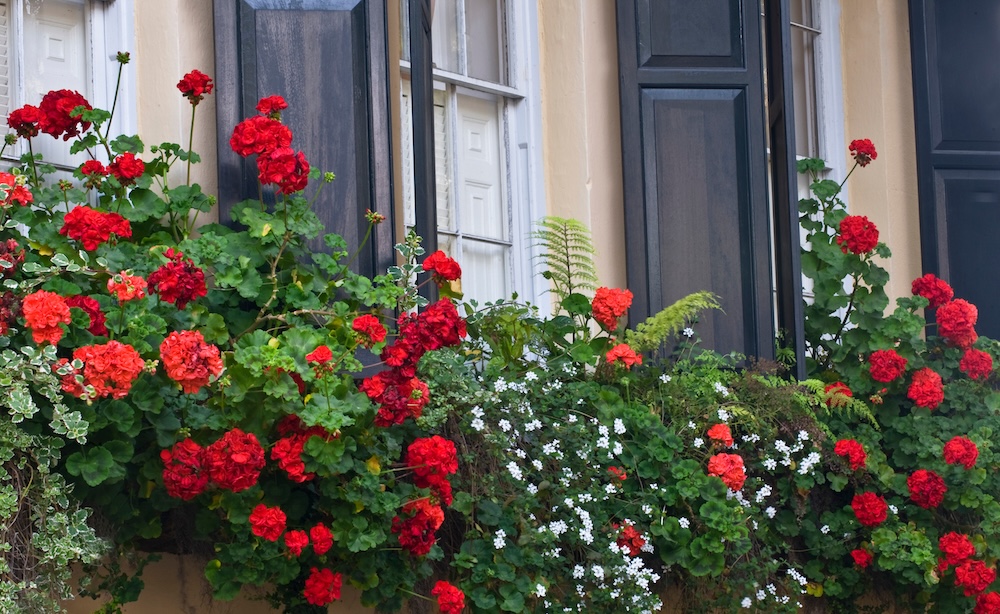
Container Gardening: For smaller spaces like balconies or patios, container gardening can be a great way to add greenery and color. Choose vibrant plants that complement the space and create a welcoming atmosphere.
Curb Appeal: Well-maintained landscaping can create a great first impression for potential buyers. A neat and inviting exterior can draw attention and make your property stand out.
Mulching: Applying fresh mulch not only improves the appearance of your garden beds but also helps retain moisture, suppress weeds, and protect plant roots. It’s a relatively low-cost way to enhance the overall look of your landscaping.
Seasonal Plants: Utilizing annual plants to add seasonal colors can bring life to your garden throughout the year. Consider planting flowers that bloom in different seasons to maintain a colorful and dynamic landscape.
Water Features and Irrigation: If you have water features or irrigation systems, make sure they are well-maintained. Clean water features regularly and ensure that your irrigation system is functioning properly to keep your landscaping looking its best.
First impressions are key when selling your property, and a well-landscaped outdoor area is often what catches a buyer’s eye first. Effective landscaping, particularly important during the summer selling season, can significantly enhance your property’s appeal. In fact, a beautifully maintained outdoor space can boost your home’s value by as much as 20%. Let’s look at some simple landscaping tips that can transform any property, whether it has a large yard or a small patio.
Plan Ahead
Start preparing your landscaping about a month before you show your home. This early start allows you to fine-tune your outdoor area, avoiding the look of a rushed job. Taking the time to carefully maintain your yard shows potential buyers that your property has been cared for.
Embrace Container Gardening
If you have limited space, such as a balcony or a small patio, container gardening can be incredibly effective. Use large tropical plants or colorful flower arrangements in pots to create eye-catching points of interest. These container gardens are not only practical for tight spaces but also add a lively touch to your entryway, giving buyers a glimpse of the property’s potential.
Refresh with Mulch
A new layer of mulch can transform the look of your garden beds or container plants, making the colors of your plants more vibrant and the entire area neater. Mulch is cost-effective and easy to apply, offering a quick enhancement to your home’s curb appeal.
Add Seasonal Color
Brighten up your landscape with some instant color. Planting annuals is an affordable way to bring immediate life to your property. Choose colors that complement your home’s exterior to create a welcoming and memorable first impression.
Water Features and Irrigation
Ensure that any water features are clean and functioning well, as a well-maintained water feature can be a significant selling point. Also, check your irrigation system and fix any issues.
The Finishing Touches
Power washing your walkways, patios, and driveways can make even aged surfaces look new again. This simple maintenance task not only revitalizes your property but also helps prevent the buildup of mold, dirt, and grime.
Involving kids in the moving process helps them adjust to their new environment.
A moving day survival kit can keep children comfortable and entertained.
Early involvement in community activities aids children in quickly adapting to new surroundings.
Moving is a significant event for any family, and when you add kids into the mix, it can introduce unique challenges. As we celebrate National Moving Month this May, it’s the perfect time to explore strategies that can make moving with kids a smoother and more enjoyable experience for the whole family.
Preparing Kids for the Move
Introducing your children to the idea of moving and involving them in the process can make a significant difference in how they adapt to the change. If possible, take them to visit their new home and neighborhood ahead of time. Show them around, point out fun places nearby, and answer any questions they may have. For school-age children, visiting the new school can ease their anxieties about their new environment.
Making Moving Day Manageable
Moving day can be hectic, but with a bit of planning, it can also be a fun and engaging experience for your kids. Involve them in packing tasks appropriate for their age and abilities. This not only lightens your load but also empowers them to contribute to the family’s move. Create a moving day survival kit for each child, filled with their favorite snacks, drinks, toys, books, and comfort items. Having familiar belongings close by can provide a sense of security amidst the hustle and bustle of moving day.
Helping Kids Adjust After the Move
Once you’ve settled into your new home, focus on helping your kids adjust and feel comfortable in their new environment. Prioritize setting up their rooms first to create a sense of stability and familiarity. Involve them in arranging their furniture, unpacking their belongings, and decorating their space. This not only helps them feel at home but also gives them a sense of ownership over their environment. Encourage your kids to interact with neighbors and participate in community activities. Joining local clubs, and sports teams, or attending events can help them make new friends and feel more integrated into their new community.
Completing Your Move with Kids Smoothly
Moving with kids may have its challenges, but with thoughtful planning and involvement, it can also be an exciting adventure for the whole family. By preparing them for the change, making the moving day enjoyable, and fostering connections in the new community, you can help your kids embrace the move with positivity and enthusiasm.
Find out why getting a mortgage preapproval is so important for first-time homeowners.
Recognize the advantages of keeping your credit score high and comparing mortgage rates.
Learn how house inspections and real estate agents help you make safe, wise investments.
Becoming a homeowner is a thrilling journey, but it can also be fraught with uncertainty, particularly for those who are buying their first house. When you’re making one of the largest purchases of your life, it’s normal to experience a mixture of excitement and anxiety. Read on to learn about typical problems and experienced advice to help you smoothly and confidently navigate the home-buying process.
1. Not Starting the Approval Process Early
Getting a mortgage preapproval early on will provide you a strong starting point when you go property hunting. By being proactive and demonstrating to sellers that you are a serious and prepared buyer, you not only make your budget clearer but also improve your position in competitive marketplaces.
2. Settling for the First Mortgage Offer
As a first-time home buyer, take your time accepting the first mortgage offer you are presented with. By taking the time to evaluate several lenders, you may be able to secure better loan conditions and interest rates, which might result in significant cost savings for you over the course of the loan.
3.Buying Without a Real Estate Agent
Despite the allure of doing it alone, working with a real estate agent can completely change the home-buying process. A smoother and more successful transaction is facilitated by the invaluable negotiation expertise and in-depth knowledge of local market conditions that agents bring to the table.
4. Underestimating Your Budget Needs
Maintaining a realistic budget while pursuing your goals is essential. Remember to factor in all possible living expenses, such as utilities, upkeep, and lifestyle costs, in addition to your mortgage payment. Keep a reserve for unforeseen expenses rather than spending all of your funds on upfront fees.
5.Neglecting Credit Score Monitoring
Keep a vigilant eye on your credit score throughout the homebuying process, especially as a first-time homebuyer. Lenders will reassess your credit before finalizing your loan, so it’s important to avoid any major purchases that might negatively impact your credit status.
6. Waiving the Home Inspection
Foregoing a home inspection might seem like a shortcut to ownership, but it can lead to unexpected complications and expenses. Inspections are crucial for uncovering potential issues that could give you leverage in negotiations or save you from future costs.
7.Ignoring First-Time Buyer Programs
Many first-time buyers may not be aware of the various assistance programs available to them. These programs can provide significant help with down payments and closing costs, lightening your financial load.
8. Overlooking Your Lifestyle Preferences
Your life won’t just unfold within the walls of your new home; you’ll also be living in the surrounding area. Take the time to explore local amenities, cultural events, and the overall atmosphere to make sure it aligns with your lifestyle preferences.
9.Making Decisions Based on Emotion
Buying a home is an emotional journey. It’s essential to feel connected to a property, but it’s also important to remain practical. Your real estate agent is there to guide you through this process, helping you balance emotion with critical considerations of your long-term needs and financial plans.
Start Your Successful Homebuying Journey Today
With the right approach and knowledgeable guidance, as a first-time homebuyer, you can avoid common pitfalls and make informed decisions in your homebuying journey. Utilize the expertise of your real estate agent, who is there to support you every step of the way, ensuring you find and secure a home that meets your needs and your budget. Contact us today to learn more about how we can assist you in confidently navigating your path to homeownership.
Learn how upgrading to LED lighting and smart thermostats can significantly reduce energy usage and lower utility bills.
Discover how smart appliances and window coverings can improve convenience and control over your home’s environment.
Explore how sustainable landscaping and water-saving fixtures not only save money but also add to your home’s market appeal and environmental sustainability.
In today’s competitive housing market, homes are selling for high prices, with buyers eager to find properties with the right features. Many homeowners think first of updating kitchens and bathrooms to add value, but energy-efficient home improvements are also a smart choice. These upgrades not only increase your home’s value but also help cut down on energy bills. Making your home more energy-efficient can make it more attractive and functional, offering a great return on investment for any homeowner.
Smart Lighting and LED Solutions
One of the easiest and most impactful energy-efficient upgrades you can make is to your lighting. Replacing old incandescent bulbs with LED lighting can reduce your energy use by up to 90% and give you bulbs that last 25 times longer. Smart lighting systems go even further; they detect when you’re in the room and adjust accordingly, so lights aren’t left on unnecessarily. Plus, you can control these systems remotely, which adds convenience and helps save more energy.
Smart Thermostat and HVAC Upgrades
Smart thermostats can transform how you manage your home’s heating and cooling. These devices get to know your family’s daily patterns and adjust the temperature based on whether anyone is home, which reduces energy use and cuts costs. They keep your home comfortable when you’re there and save energy when you’re not. Plus, you can control these thermostats remotely, which adds convenience and can lead to even more savings over time.
Smart Window Coverings
Smart window coverings are a great way to boost your home’s energy efficiency. These advanced coverings automatically adjust to control the amount of natural light and manage indoor temperatures, which means you rely less on artificial lighting and your heating or cooling systems. They also improve privacy and enhance the look of your rooms, making them an excellent choice for any home focused on energy efficiency.
High-Efficiency Smart Appliances
Investing in smart appliances that have high Energy Star® ratings can greatly reduce how much energy and water your home uses. These appliances, including refrigerators, washers, and air conditioners, adjust their energy use to meet your needs, which can lower your utility bills and reduce your environmental footprint. They also come with improved performance and additional features, giving you more control and making daily chores easier and more efficient.
Sustainable Landscaping
The design of your outdoor space plays a role in your home’s energy efficiency. Sustainable landscaping, like planting deciduous trees, helps keep your home cooler in the summer and warmer in the winter by regulating exposure to sunlight. Adding water-efficient elements such as drought-tolerant plants and permeable paving not only reduces your environmental impact but also keeps your garden looking great and working efficiently.
Water Conservation Techniques
Water-saving fixtures, including low-flow faucets, low-flow toilets, and rainwater harvesting systems, are essential for saving water. These installations can lower your water bill and promote sustainable water management practices that help everyone. By using these technologies, you’re not only saving money but also contributing to a healthier environment.
Step Up Your Home’s Value with Smart Energy Solutions
Making energy-efficient home improvements goes beyond following a trend; it’s a practical approach to upgrading your living space and investment. Whether you’re looking to sell your home soon or simply aiming to reduce your environmental impact, these upgrades can deliver immediate benefits. They not only save on energy costs but also boost your home’s market value. Consider these sustainable improvements to make your property more appealing to today’s eco-aware buyers and stand out in the market.

 Email